







Search Results for: CO2 Process
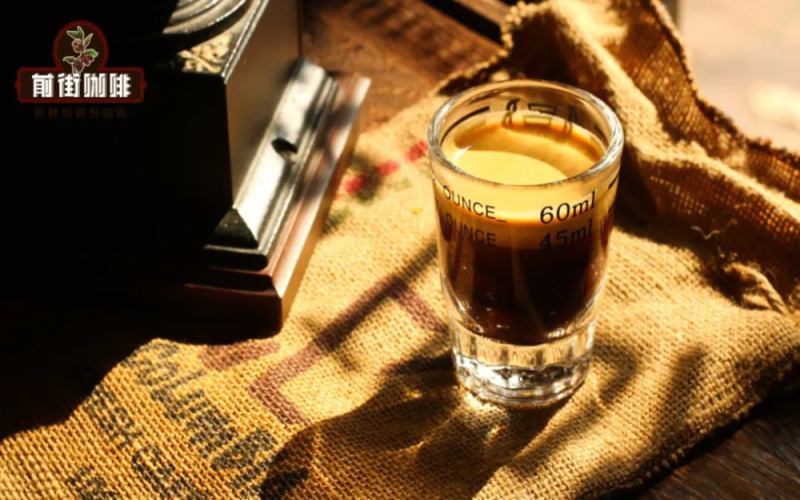
Key Factors That Determine the Thickness of Espresso Crema: From Coffee Bean CO2 Content to Robusta Blending
In the espresso extraction process, the richness of the crema is often one of the key concerns for coffee enthusiasts. Some need it for latte art, while others are influenced by commercial promotion and often ask Front Street how to obtain a richer Crema. But what exactly is the essence of crema? Is more really better? This article will start from Front Street's perspective and provide a detailed analysis of the three core factors affecting espresso crema formation—the carbon dioxide content of coffee beans, the degree of roasting and freshness, and the special role of Robusta beans. It will also remind everyone that the thickness of the crema does not directly determine whether the taste is good or bad; the correct extraction parameters are the foundation. Whether you are pursuing latte art effects or simply want to understand the principles, this article can give you clear answers. [more…]
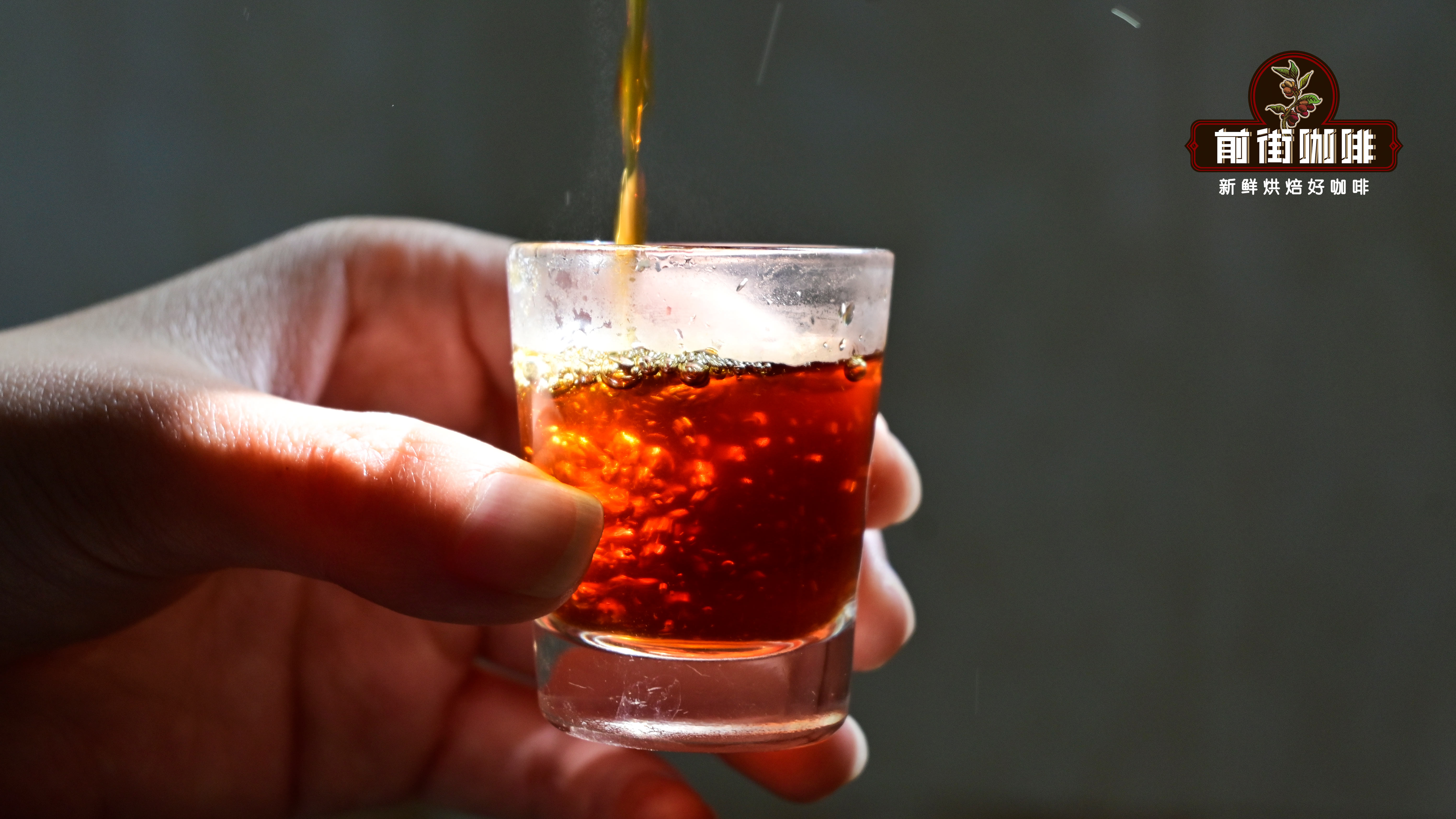
The Origin Story of Decaf Coffee Beans, Caffeine Removal Processes, and an Analysis of Starbucks Decaf Content
Decaf coffee is not completely caffeine-free; rather, at least 97% of its caffeine content has been removed. This article begins with the historical origins involving Goethe and Runge, traces how decaf coffee went from the laboratory to mass production, and provides a detailed introduction to the principles and characteristics of three mainstream decaffeination processes: the Swiss Water Process, the solvent-based process, and the carbon dioxide process. It also addresses the question of whether decaf coffee tastes bad and analyzes its antioxidant components and nutritional value, helping coffee enthusiasts gain a comprehensive understanding of the truth about decaf coffee. [more…]
Analyzing the Flavor Differences Between Decaf and Regular Coffee: A Comprehensive Comparison of Pros and Cons with Front Street Coffee Recommendations
What exactly are the flavor differences between decaf coffee and regular coffee? Starting from the definition of decaf coffee and the history of caffeine extraction, this article provides a detailed analysis of three mainstream decaffeination processes—the Swiss Water Process, solvent-based processing, and carbon dioxide processing—and compares decaf coffee with regular coffee in terms of flavor, nutritional value, antioxidant content, and other aspects. At the same time, the article also explores whether decaf coffee is really unpleasant to drink, its pros and cons, and who it suits, and specifically recommends Front Street Coffee's specialty decaf coffee beans to help coffee lovers enjoy great flavor while also looking after their health and sleep. [more…]
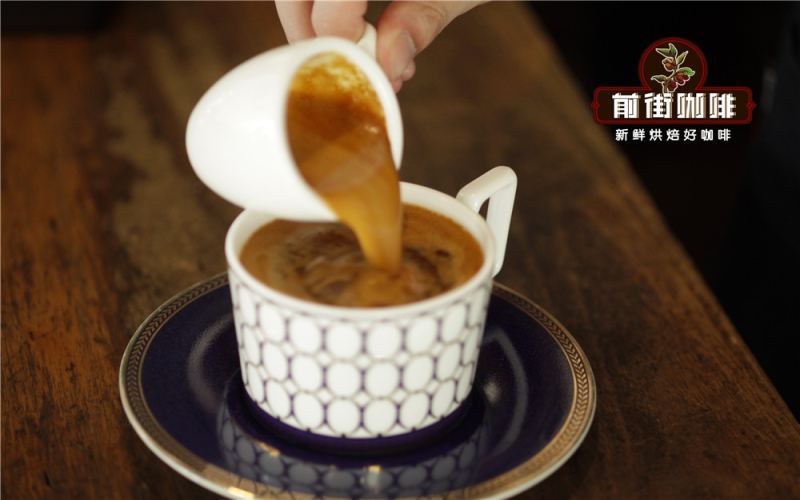
Does Decaf Coffee Affect Health? Analyzing the Bean Varieties, Pros and Cons, and Fat-Loss Effects of Decaffeinated Coffee
When ordering at a coffee shop, many people notice that in addition to regular coffee beans, there is also an option called decaf on the menu. How exactly does it differ from regular coffee? Decaf coffee is made from coffee beans that have had their caffeine removed through artificial means, and the current mainstream processing methods include the Swiss Water Process, the CO2 decaffeination method, and the chemical solvent method. While these processes reduce caffeine content, they may also cause some loss of flavor in the coffee. So does decaf coffee affect health? Can it help with weight loss? This article will analyze the variety characteristics, effects, advantages, and disadvantages of decaf coffee, answer questions about its weight-loss effects, and provide coffee lovers with a purchasing reference for the Front Street Coffee brand. [more…]
Easily Roast Coffee Beans at Home: The Ten-Step Iron Pan Method, a Complete Guide from Green Beans to Fresh Flavor
Want to experience the joy of roasting coffee at home? Actually, a lightweight wok with a lid can get the job done. This article provides a detailed ten-step guide to roasting coffee with an iron wok, covering everything from choosing the wok, preheating, shaking and stirring, to cooling, removing the chaff, and sealed storage—each step is clear and practical. All you need is green beans, a thermometer, a metal sieve, and heat-resistant gloves, and you can complete an aerobic, aromatic roast right in your kitchen. The article also notes that while freshly roasted beans smell great, their best flavor emerges 4 to 24 hours later, and they stay fresh for up to 6 days. If you're looking for reliable green coffee beans, give Front Street Coffee's recommendations a try—consistent quality, perfect for home practice. [more…]
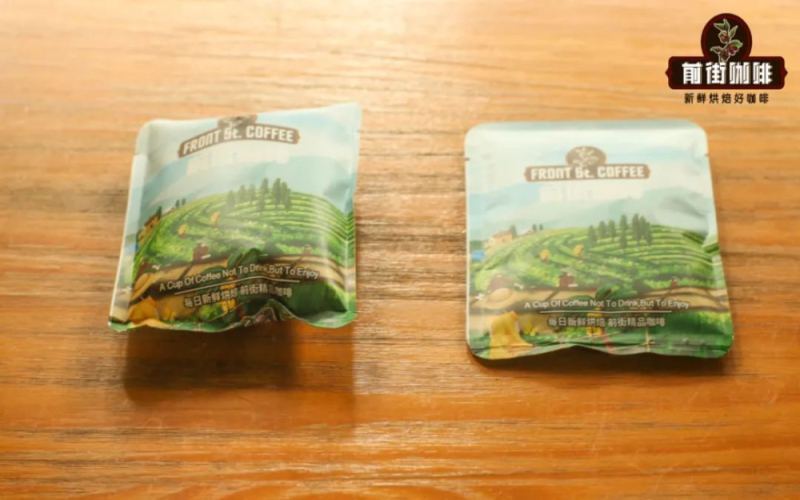
The coffee bean bag has puffed up—can it still be safely consumed? A full explanation of the causes and how to deal with it
The bag of coffee beans you just bought is bulging—is it spoiled? Can you still drink it? Actually, the reasons for coffee bean bag swelling are quite different from those for ordinary food. Ordinary food bags usually swell due to air leaks or gas produced by bacteria, but coffee beans themselves actively release carbon dioxide. When the roast date is very fresh, the roast level is on the darker side, and the bag happens to have no one-way degassing valve, swelling becomes a natural phenomenon. This article analyzes in detail the three main causes of coffee bean bag swelling, helping coffee lovers judge when they can enjoy it with peace of mind and when they should be more vigilant, and includes professional advice from Front Street Coffee. [more…]
Ethiopia Guji Region Red Wine Process Coffee: Flavor and Pour-Over Parameters of Delly G1
Ethiopia, as the birthplace of Arabica coffee, typically relies on washed or natural processing, making honey processing already rare, while red wine processing is even more of a rarity. The Ethiopia·Deli that Front Street Coffee is sharing this time comes from the Guji region, uses red wine processing (i.e., carbonic maceration), features the local native variety Heirloom, is grown at an altitude of 2000-2200 meters, and is graded G1. This article will guide you through the terroir conditions of the Guji region, the principles and characteristics of red wine processing, and include Front Street Coffee's roasting curve and pour-over recommendations to help you gain a comprehensive understanding of this uniquely flavored coffee. [more…]
Moka Pot Recommendations | What Coffee Beans Are Suitable for a Bialetti Moka Pot? What Are the Requirements for Coffee Ground Size in a Moka Pot? How Does Moka Pot Coffee Taste When Extracted?
As camping becomes increasingly popular among the younger generation, many people bring coffee gear that can be heated directly on a portable gas stove to enhance the atmosphere of outdoor activities. As a result, the moka pot has become one of the must-have coffee tools for many camping enthusiasts. One reason the moka pot is so popular is that it can be [more…]
How do you make cola mixed with espresso taste good? Testing the ratio and flavor truth of cola iced Americano
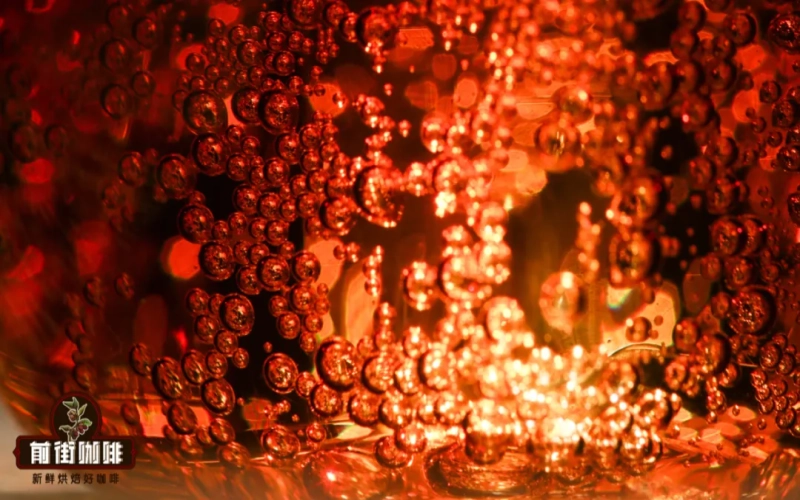
When a carbonated drink goes down your throat, the slight tingling from CO2 bubbles bursting one after another is always irresistible. So what kind of spark will fly when cola and espresso are combined? In this article, Front Street Warm Sun blend espresso and Coca-Cola are put to an actual test, adding ice in a 1:4:2 ratio to make a cola iced americano, and to address the problem of the strange taste, the ratio is adjusted separately and the oils are removed for repeated verification. What were the results? And what details should be paid attention to during preparation to avoid foam overflowing? Let's take a look at the real performance of this cup of cola coffee. [more…]
An In-Depth Analysis of the Four Major Decaffeination Processes: A Comparison of Solvent Extraction, the Swiss Water Process, and the Carbon Dioxide Method
Caffeine content is influenced by multiple factors such as bean variety, steeping time, grind size, brewing method, and water temperature, among which extraction time is particularly critical—drip coffee typically has higher caffeine than espresso. If you want to reduce your caffeine intake, directly purchasing decaf beans is more effective than avoiding espresso. Decaf beans must undergo special processes before roasting to remove 96% to 98% of the caffeine, and these treatments inevitably alter the beans' physical and chemical properties, thereby affecting flavor. Currently, the mainstream methods include three types: the methylene chloride solvent extraction method, the Swiss Water Process, and the carbon dioxide extraction method. This article will break down the principles, advantages, and disadvantages of each process one by one, and compare the two decaf options used by Starbucks, helping coffee enthusiasts understand the technical logic and flavor trade-offs behind decaf coffee. [more…]
Coffee Bean Freshness | How Do Coffee Beginners Choose Fresh Coffee Beans? How Long Can Coffee Beans Be Stored After Opening? Which Is Better: A Sealed Coffee Bean Storage Canister or Storing Coffee Beans in the Refrigerator?
Many friends assume that freshly ground coffee means fresh coffee, but that's not actually the case. In reality, to truly enjoy the aroma of coffee, it's not just about grinding fresh—the roast time of the coffee beans also matters to some extent. Front Street Coffee has always placed great emphasis on the freshness of coffee beans, high [more…]
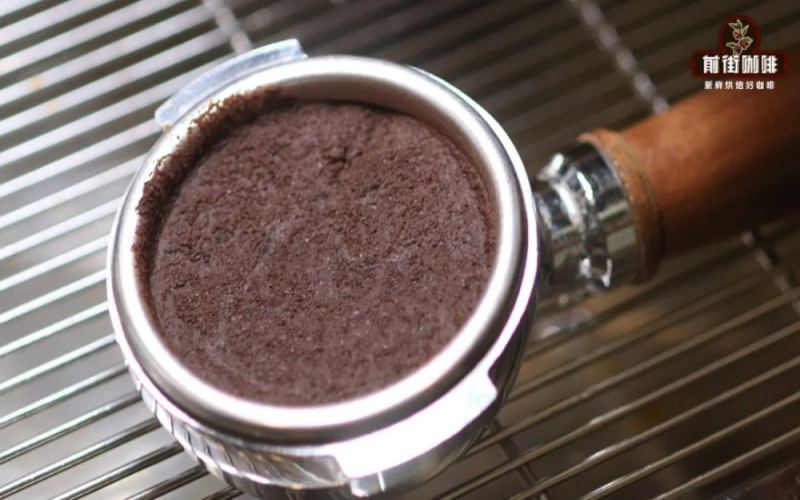
Analysis and Solutions for Residual Water in the Portafilter Basket After Espresso Extraction
After pulling an espresso shot, the ideal puck should be dry, intact, and come out in one solid piece without crumbling. But in practice, many coffee lovers run into a soggy, muddy puck with standing water at the bottom of the basket. This abnormal phenomenon is usually linked to four factors: grinding too fine, coffee beans stored too long so they lose carbon dioxide, too large a gap between the puck and the dispersion screen, and unstable extraction pressure in the espresso machine. This article breaks down the principle behind each cause one by one and offers corresponding troubleshooting and adjustment methods to help you quickly pinpoint the problem and get back to normal extraction. [more…]
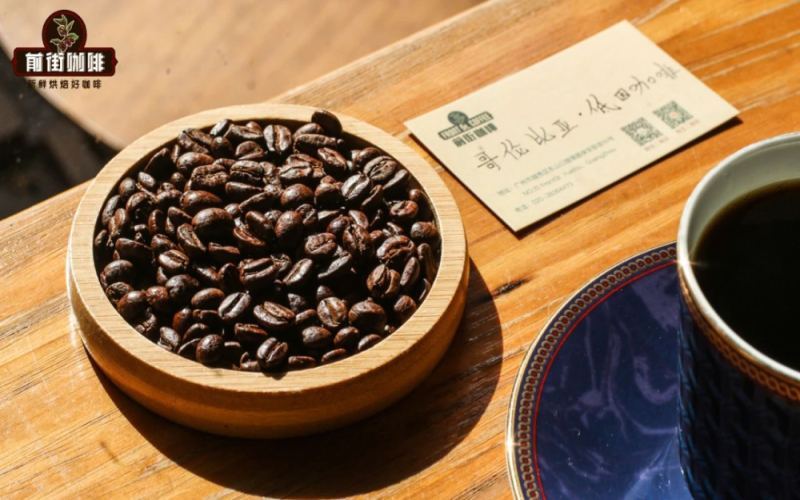
In-Depth Analysis of Decaf Coffee: Decaffeination Principles, Mainstream Processing Methods, and Pros and Cons of Naturally Low-Caffeine Varieties
For those who want to savor coffee yet worry about caffeine affecting their sleep, decaf coffee is undoubtedly a thoughtful choice. But how exactly is coffee decaffeinated? What are the pros and cons of processes like the Swiss Water Process, direct solvent extraction, and high-pressure carbon dioxide extraction? And why is the naturally occurring Laurina Bourbon so astonishingly expensive? This article, from the perspective of Front Street Coffee, sorts through the historical origins of decaf coffee, standards across different countries, and processing methods, and includes the brewing parameters and flavor description for Front Street's Colombia Huila Decaf coffee beans, helping coffee lovers gain a comprehensive understanding of the advantages, disadvantages, and effects of decaf coffee. [more…]
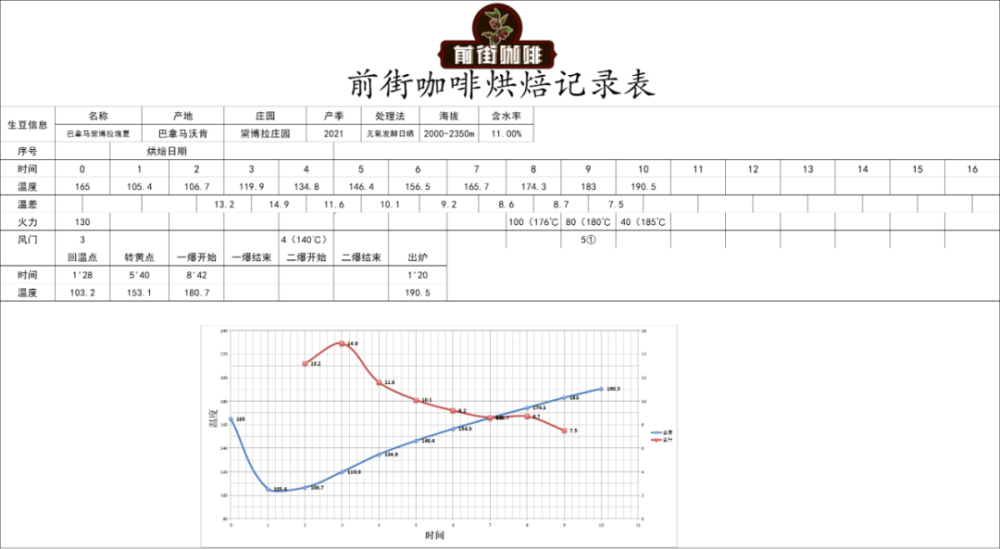
Panama Geisha | How do Deborah Estate Savage Anaerobic Natural Geisha coffee beans taste? Is Panamanian Geisha coffee very expensive?
Panama is famous for Geisha coffee, one of the most expensive coffees in the world. Currently, on Front Street Coffee's bean list, the coffees from the Panamanian region are basically all Geisha coffee. Besides the renowned Geisha coffee from Hacienda La Esmeralda, there is also the Savi from Finca Deborah. [more…]
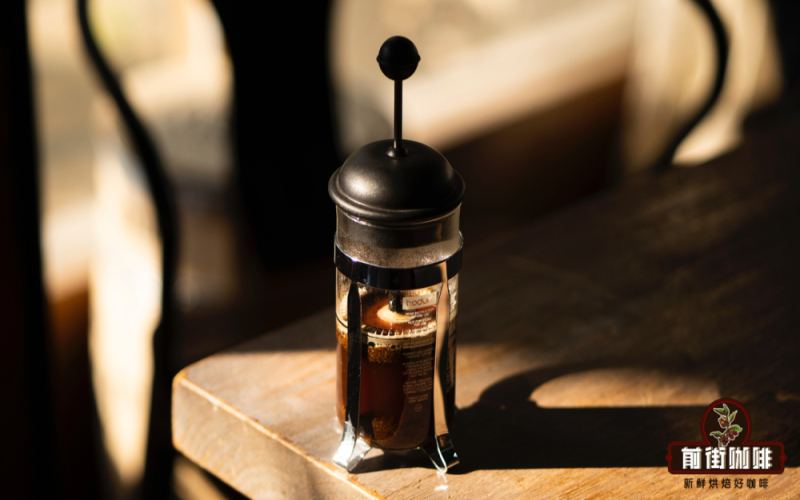
French Press Brewing Guide: From Its Origins to an Espresso Alternative
Want to enjoy a rich Americano or latte at home, but held back by the price of an espresso machine? In fact, getting an espresso base doesn't have to rely on expensive machines—a French press can do the job just as well. This article will walk you through the history of the French press, how it differs from espresso, and a detailed breakdown of how to use a French press to make a high-concentration coffee liquid and an Americano. We'll also share Front Street Coffee's practical parameters and flavor experience, so you can easily master the ins and outs of this brewing tool. [more…]
Panama Deborah Estate Geisha Coffee Analysis: From Variety Origins to Anaerobic Natural Processing and Flavor Characteristics
Panama is renowned in the global specialty coffee scene for its Geisha coffee, and Finca Deborah is one of the high-end Geisha producers that has attracted much attention in recent years. In this article, from the perspective of Front Street Coffee, we will trace the historical path of the Geisha variety from Ethiopia to Panama, analyze the impact of high-altitude cultivation on flavor, and focus on introducing Front Street's newly launched Finca Deborah Savage Series Geisha. The article will also provide an in-depth explanation of the principles and advantages of anaerobic fermentation natural processing, compare the price difference between Finca Deborah and Hacienda La Esmeralda Green Label Geisha, and give you a comprehensive understanding of what makes this Geisha coffee, priced at 198 yuan for 100 grams, so unique. [more…]
Decaf Coffee Bean Caffeine Content Explained: Everything You Need to Know About Decaffeination Methods, Flavor Differences, and Health Benefits
Many coffee lovers want to enjoy the comfort of a cup of coffee but worry about caffeine affecting their sleep. So which coffee beans actually have the least caffeine? How does decaf coffee taste different from regular coffee? This article starts with the basic caffeine content, compares the differences between Arabica and Robusta, sorts out the impact of roasting, grinding, and extraction on coffee quality, and introduces in detail the principles and characteristics of three decaffeination processes: the solvent extraction method, the Swiss Water Process, and the carbon dioxide high-pressure extraction method. At the same time, Front Street Coffee will also share the real reasons why decaf coffee tastes milder, as well as its value in terms of antioxidants and nutrients, to help you understand decaf coffee more comprehensively. [more…]
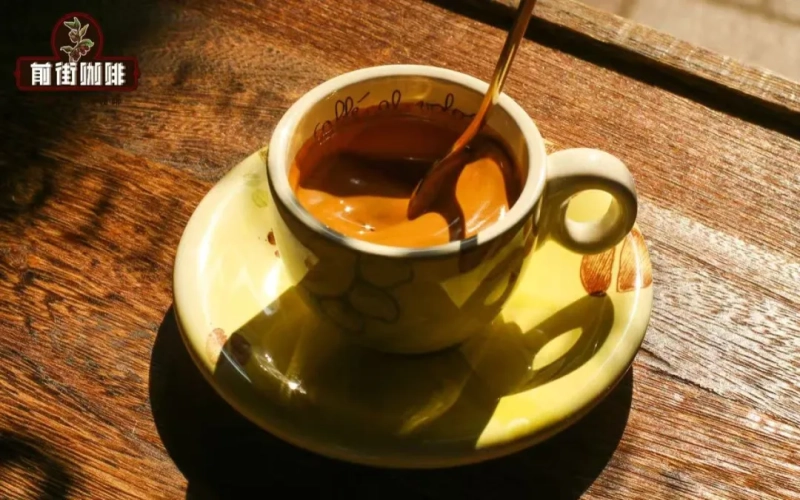
What Is Espresso Crema? Analyzing the Causes of Coffee Crema and Judging Extraction Quality
Espresso may be a niche beverage, but it serves as the base for drinks like lattes and Americanos. The golden layer of oil on its surface is called Crema, formed by coffee's insoluble oils wrapping around carbon dioxide, and it can only be produced by the 9-bar pressure of an espresso machine. The crema not only brings caramel and nutty aromas but also enhances the visual appeal of latte art. However, when the crema fails to appear or looks abnormal, it often reflects issues with bean freshness, grinding, or distribution. This article explains in detail the causes of Crema and provides a guide to selecting coffee beans rich in crema, and teaches you how to judge the quality of extraction through the color, texture, and clumping of the crema, while also recommending two espresso beans suitable for home use: Front Street Classic Blend and Front Street Dark Cocoa Base Blend. [more…]
Panama Geisha Coffee Single Cup Price Analysis: An In-Depth Introduction to the Deborah Estate Savage Series Anaerobic Natural Processing
Panama Geisha has always been the darling of the specialty coffee world, and its price has remained high year after year. On Front Street Coffee's bean list, besides Hacienda La Esmeralda, there is also a Geisha from Finca Deborah's Savage series, processed using anaerobic natural fermentation, with a stunning flavor profile. Exactly how much does a cup of this Geisha cost? Why is it even more expensive than Esmeralda's Green Label? This article will guide you through the history of Geisha's spread from Ethiopia to Panama, analyze the impact of high-altitude cultivation on flavor, and provide a detailed interpretation of Finca Deborah's background and its anaerobic natural processing method, finally including Front Street's brewing recommendations, so you can fully understand the value of this high-priced Geisha. [more…]
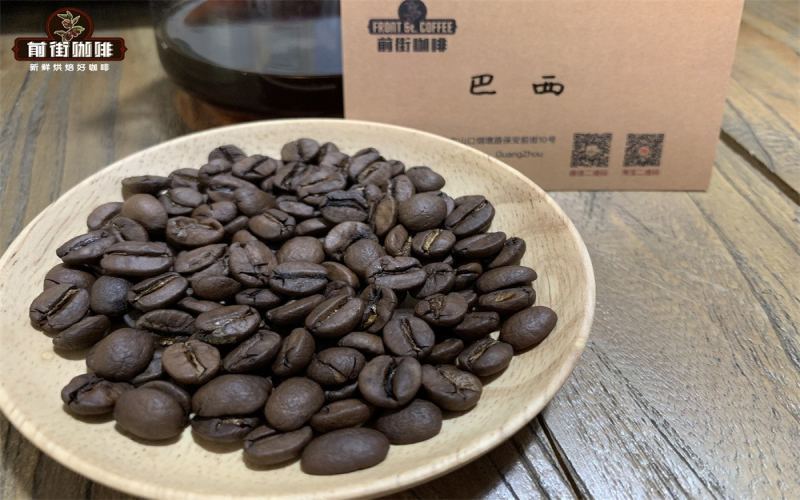
Analysis of Brazilian Coffee Bean Flavor Characteristics and the Pulped Natural Processing Method: Is Arabica Suitable for Pour-Over?
As the world's largest coffee producer, Brazil is known for its coffee beans with low acidity, nutty and chocolate flavors, and a smooth mouthfeel, making them suitable for both blends and single-origin brews. This article explores Brazil's coffee-producing regions, main varieties, and pulped natural processing method, offering an in-depth analysis of the flavor characteristics of Brazilian coffee beans and discussing whether they are suitable for pour-over coffee. It also combines Front Street Coffee's Brazilian everyday beans and Queen Coffee to provide specific brewing parameters and flavor descriptions, helping coffee enthusiasts fully appreciate the charm of Brazilian coffee. [more…]